Edit Animal Info
82709
Available
Orchid
Dog
German Shepherd Dog / Mixed
White
1y 7m/o
Medium
48 lbs
Female
Yes
In Foster
YELLOW
Chase
Owner/Guardian Surrender
09/10/2026
HighMaybe
Unknown
Unknown
Maybe
No
Some
No/Unknown
82709
Available
Female
Yes
German Shepherd Dog / Mixed
White
Medium
48 lbs
In Foster
YELLOW
High
No
Available
Female
Yes
German Shepherd Dog / Mixed
White
Medium
48 lbs
In Foster
YELLOW
High
No
Orchid
Dog
1y 7m/o
No/Unknown
Maybe
Unknown
Unknown
Chase
Maybe
Some
09/10/2026
Owner/Guardian Surrender
Dog
1y 7m/o
No/Unknown
Maybe
Unknown
Unknown
Chase
Maybe
Some
09/10/2026
Owner/Guardian Surrender
Foster Notes 9/29/2026
Summary of foster notes: Orchid has been in foster for two weeks with two adults, two teenagers, and resident dogs; she is crate trained, has had only one potty accident, and can be left crated for about 5.5 hours. She is initially hesitant with new people, approaching with her tail tucked, but warms with slow introductions and becomes affectionate, and she may jump or give small nips when excited but responds to redirection. With dogs, she shows interest in interacting and has done well with lower-energy dogs, while it took about a week for her to become comfortable with a higher-energy puppy; their play can become rough with play biting, barking, and growling, so her foster interrupts when play escalates. Orchid knows several cues, voluntarily uses her crate, enjoys toys, running and zoomies, and is still learning leash skills; she may bark at unfamiliar people arriving at the home and can become destructive when left loose and unsupervised. She could potentially live with or without other dogs and has lived successfully with teenagers; an adopter should continue building her confidence around new people, reinforce calm greetings and appropriate play, and use positive redirection for jumping and excited mouthing rather than using the crate as a consequence so it remains a positive resting space.
Dog-To-Dog Evaluation 9/27/2026
S: Dog-dog evaluation based on video and a brief description from current foster home.
O: In the video, dog is seen in an enclosed yard/patio with two other dogs described as "low energy and selective". Dog is observed going back and forth between the two other dogs, nudging and licking their faces. Body language generally relaxed while she appears to attempt to engage them in play. When the dog is with the foster's third and playful dog, foster says "there's a lot of jumping and running around".
A: Chase, Medium Energy, Medium Contact, Neutral Social Dynamic, no Corrections or Conflict observed, Playgroup Size 3-5.
P: Recommend placement with appropriately matched dogs, or placed as a solo dog with appropriate dog friends.
Handling Eval 9/27/2026
Adopted as a puppy from OAS in June 2025, surrendered in emaciated condition in September 2026. Sent to foster. Foster reports dog is housetrained, playful, intelligent, affectionate, easy to handle, gets along well with foster's resident dogs (all female) after a slow introduction; respectful of senior dogs in the home, plays chase with the younger dog.May be timid and cautious initially with unfamiliar people/places; affectionate, energetic and playful once she warms up and establishes trust. will need gradual and careful exposure to new people, places and things to create positive associations and build confidence, with positive reinforcement/rewards based training.
Medical Condition 9/18/2026
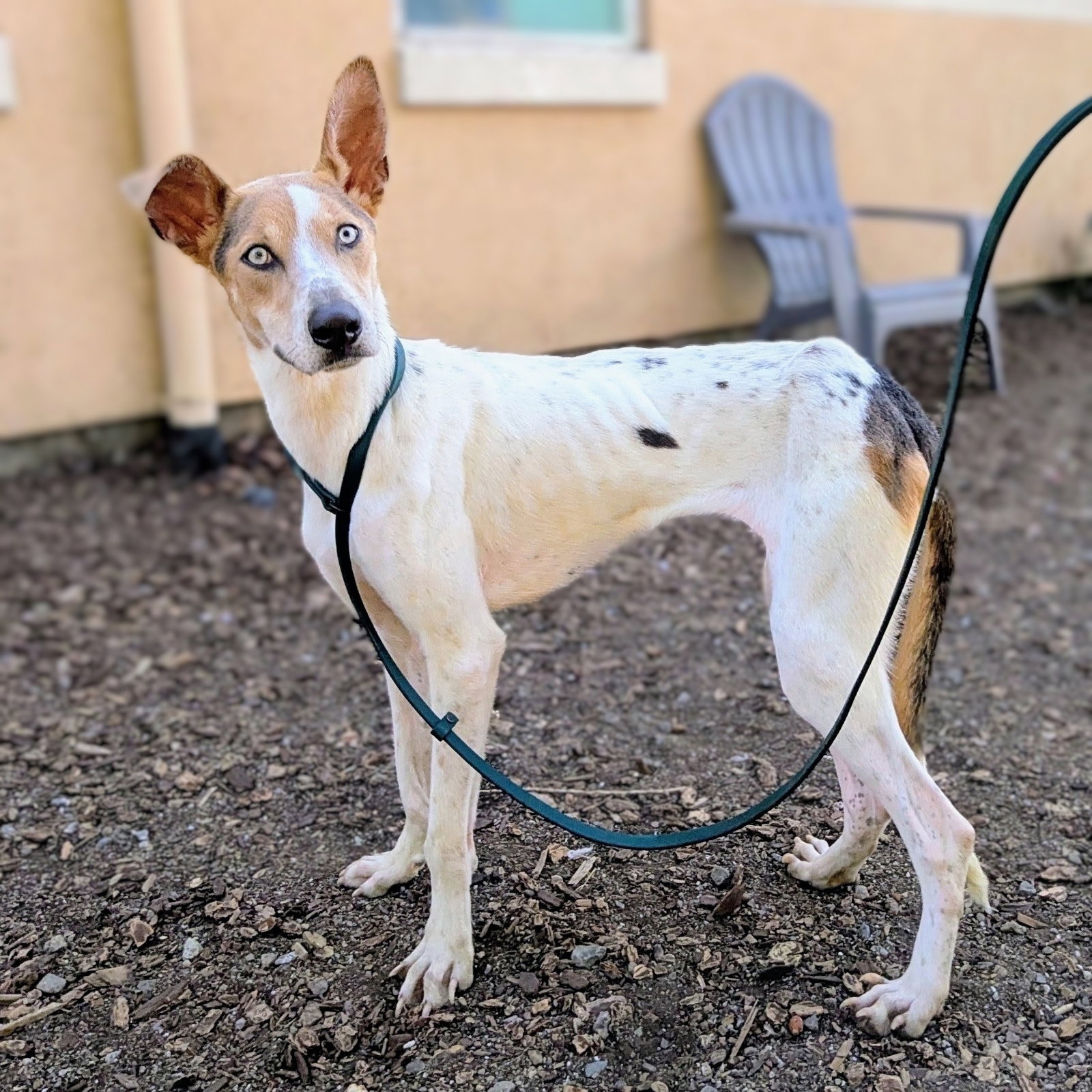
Symptom: Underweight
Underweight The animal you are adopting arrived to OAS underweight. Many animals come into the shelter already underweight and a majority of the time it is due to them previously being underfed. The stress of being in the shelter alone can cause some animals to lose weight without there being an underlying medical condition. This animal received a physical exam by a veterinarian and no immediate medical cause for weight loss/thin body condition was found. Due to the number of animals that experience issues with weight while in shelter and our limited resources this animal did not receive further diagnostics to rule out an underlying medical cause for being underweight. This animal should have a general health exam with a veterinarian as soon as possible after adoption, especially if you notice additional weight loss or inability to gain weight. Your veterinarian can make further medical recommendations for testing and medical treatment if needed. OAS is not responsible for post adoption diagnostics or treatment.
Underweight The animal you are adopting arrived to OAS underweight. Many animals come into the shelter already underweight and a majority of the time it is due to them previously being underfed. The stress of being in the shelter alone can cause some animals to lose weight without there being an underlying medical condition. This animal received a physical exam by a veterinarian and no immediate medical cause for weight loss/thin body condition was found. Due to the number of animals that experience issues with weight while in shelter and our limited resources this animal did not receive further diagnostics to rule out an underlying medical cause for being underweight. This animal should have a general health exam with a veterinarian as soon as possible after adoption, especially if you notice additional weight loss or inability to gain weight. Your veterinarian can make further medical recommendations for testing and medical treatment if needed. OAS is not responsible for post adoption diagnostics or treatment.
Medical Condition 9/18/2026
Diagnosis: Luxation, Patellar
Luxating Patellas This has been diagnosed with Grade 2/4 patellar luxation in both knees. It is also called slipped knee because the kneecap (patella) slips out of place, usually toward the inside (medial) of the leg. This condition is common in small and toy breed dogs. It is not so common in medium to large breed dogs. It varies in severity between Grade 1 (least severe) and Grade 4 (most severe). In Grade 1, the patella sometimes moves out of place but returns to it normal position on its own. In Grade 4, the patella is constantly out of place and does not move back into its normal position. Grades 2 and 3 are intermediate between these. Patellar luxation can cause occasional intermittent to constant lameness. The abnormal position of the patella may cause changes in other bones of the affected legs over time. These changes can include arthritis and ligament damage. The extent and severity of lameness depends on the Grade and any secondary changes that may occur. Surgical correction should be considered in dogs with Grades III and IV patellar luxation or if the dog shows frequent lameness/pain or if the dog is a medium/large breed dog. Based on our resources, Oakland Animals Services is unable to address orthopedic issues in dogs. It is recommended you follow up with your regular veterinarian to establish a plan for your pet. This animal should have a general health exam with a veterinarian as soon as possible after adoption. Your veterinarian can make further medical recommendations for testing and medical treatment if needed. OAS is not responsible for additional care or costs post adoption.
Luxating Patellas This has been diagnosed with Grade 2/4 patellar luxation in both knees. It is also called slipped knee because the kneecap (patella) slips out of place, usually toward the inside (medial) of the leg. This condition is common in small and toy breed dogs. It is not so common in medium to large breed dogs. It varies in severity between Grade 1 (least severe) and Grade 4 (most severe). In Grade 1, the patella sometimes moves out of place but returns to it normal position on its own. In Grade 4, the patella is constantly out of place and does not move back into its normal position. Grades 2 and 3 are intermediate between these. Patellar luxation can cause occasional intermittent to constant lameness. The abnormal position of the patella may cause changes in other bones of the affected legs over time. These changes can include arthritis and ligament damage. The extent and severity of lameness depends on the Grade and any secondary changes that may occur. Surgical correction should be considered in dogs with Grades III and IV patellar luxation or if the dog shows frequent lameness/pain or if the dog is a medium/large breed dog. Based on our resources, Oakland Animals Services is unable to address orthopedic issues in dogs. It is recommended you follow up with your regular veterinarian to establish a plan for your pet. This animal should have a general health exam with a veterinarian as soon as possible after adoption. Your veterinarian can make further medical recommendations for testing and medical treatment if needed. OAS is not responsible for additional care or costs post adoption.
Handling Eval 6/21/2025
Friendly, playful, energetic large breed puppy, will need continued appropriate socialization with new people, places and other animals, and positive reinforcement/rewards based training. Training should begin immediately before this puppy's size makes them difficult to control. Adopter must be prepared for the time, energy, patience and commitment needed to raise and train a puppy.
Description
Orchid – Smart, Playful, and Affectionate
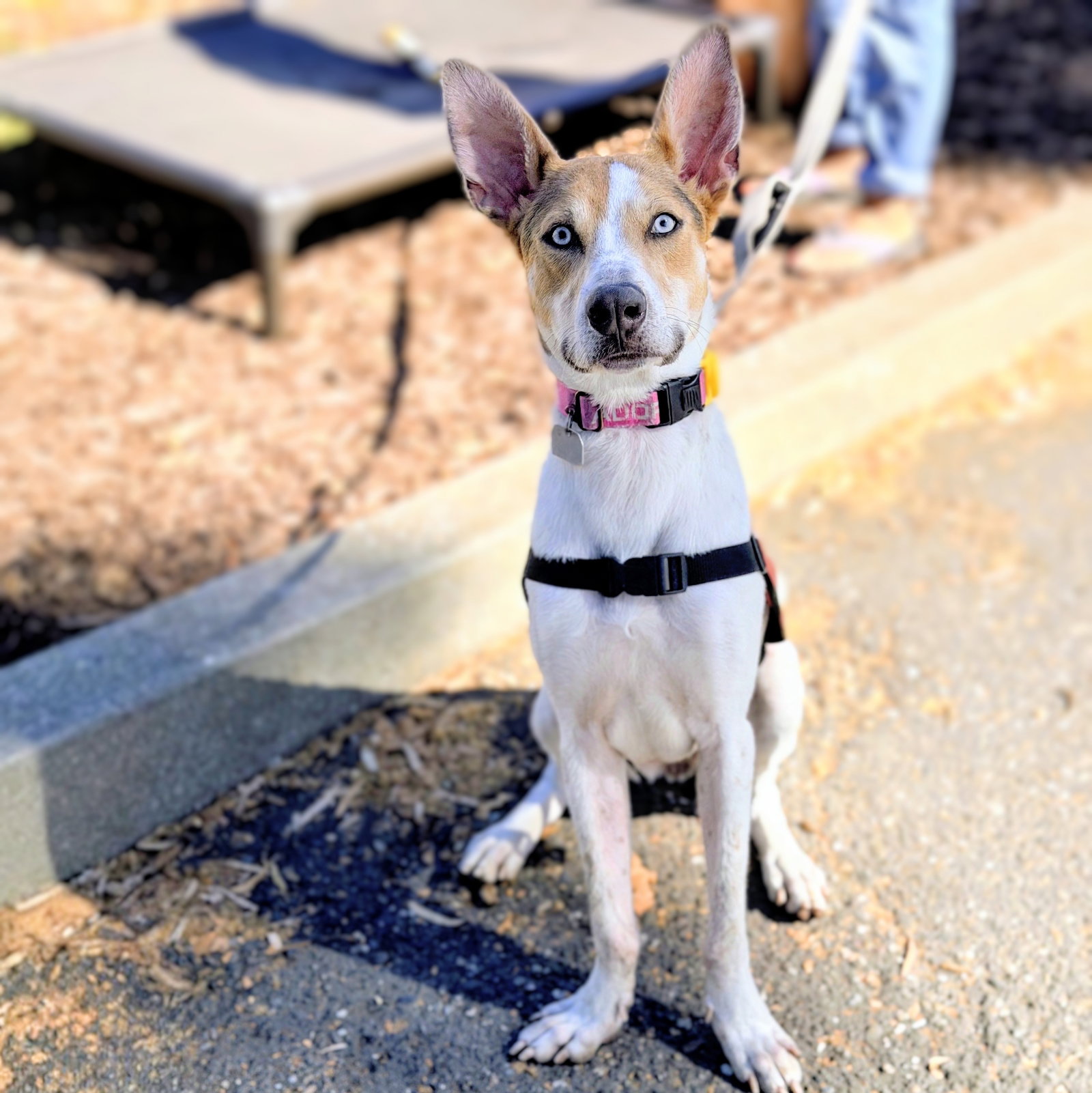
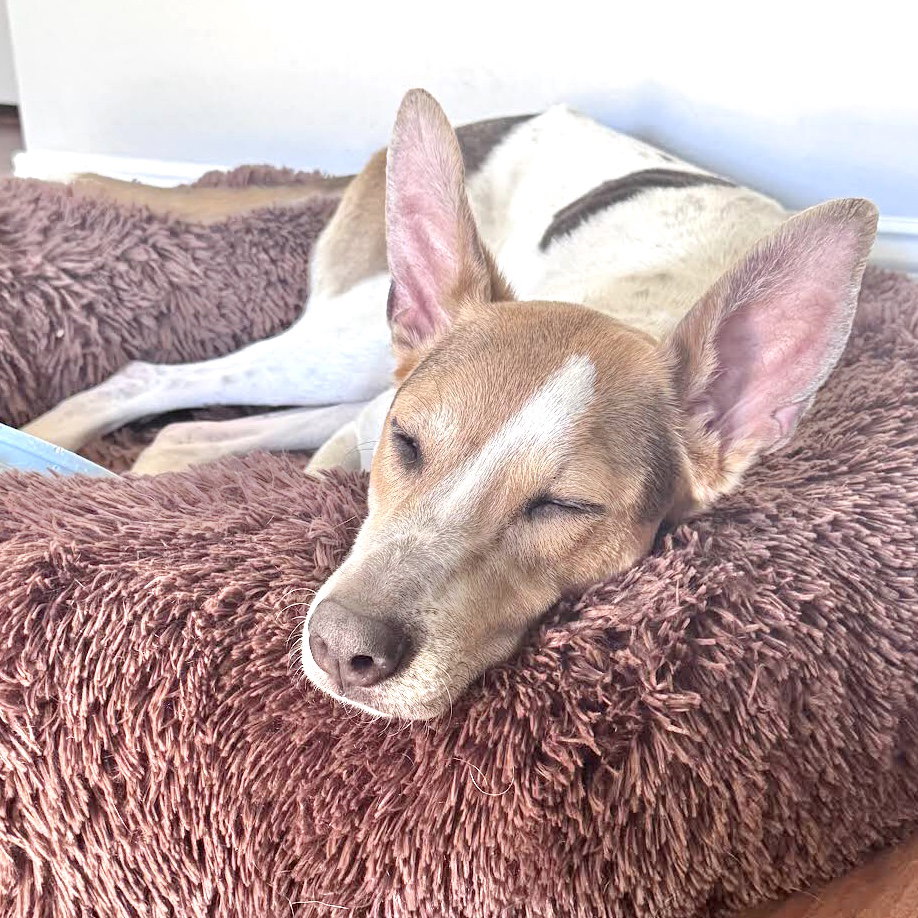
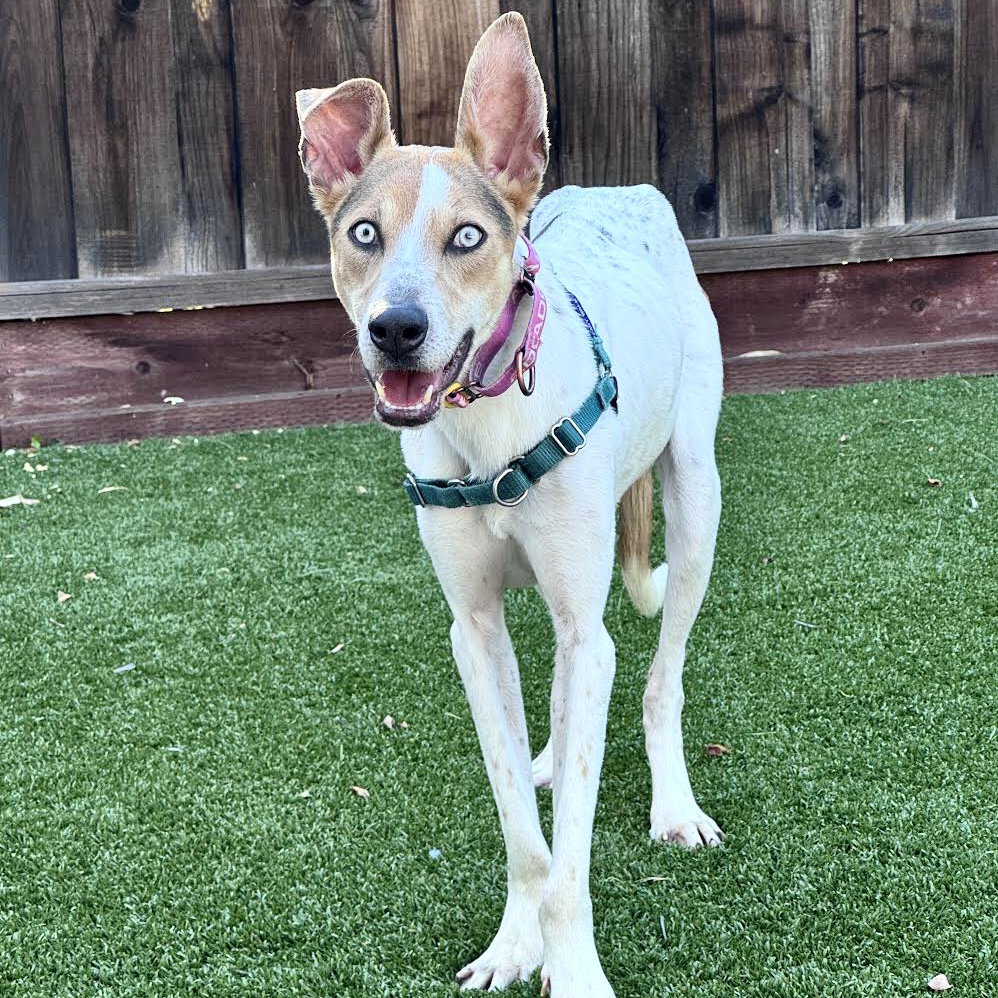
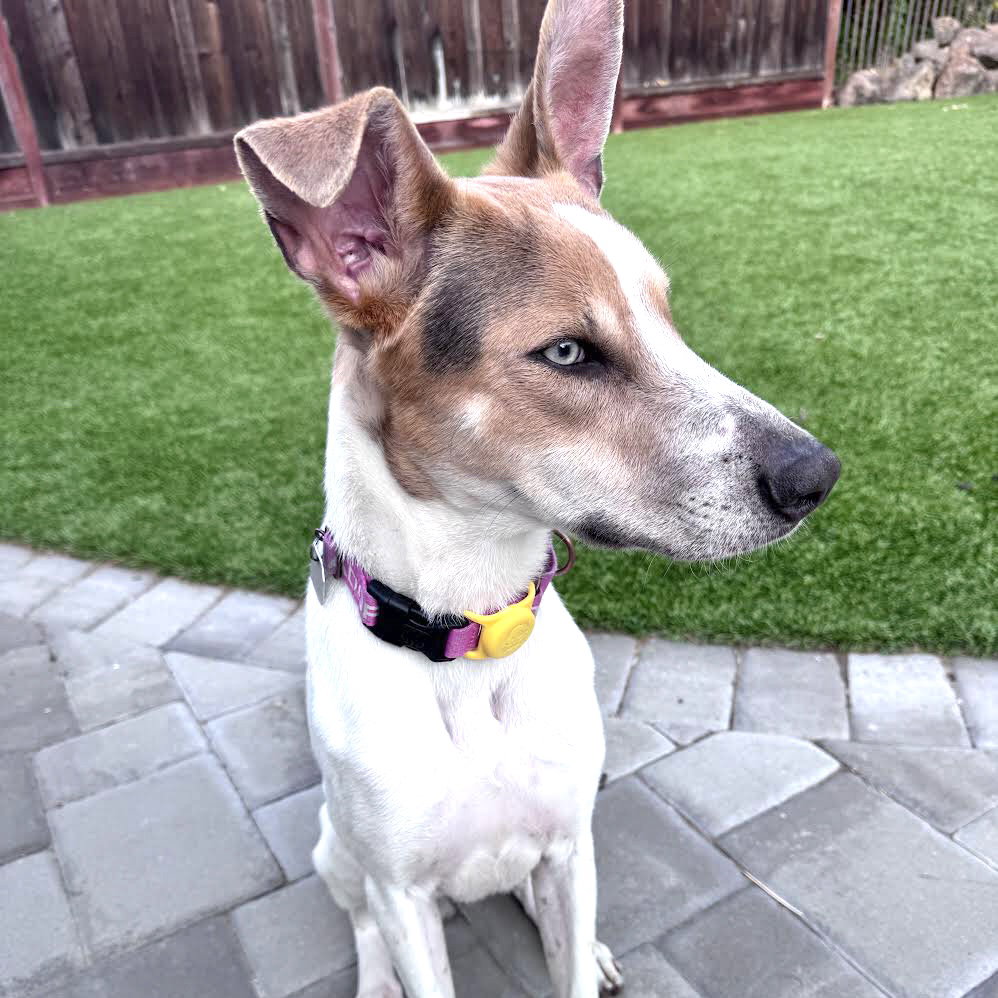
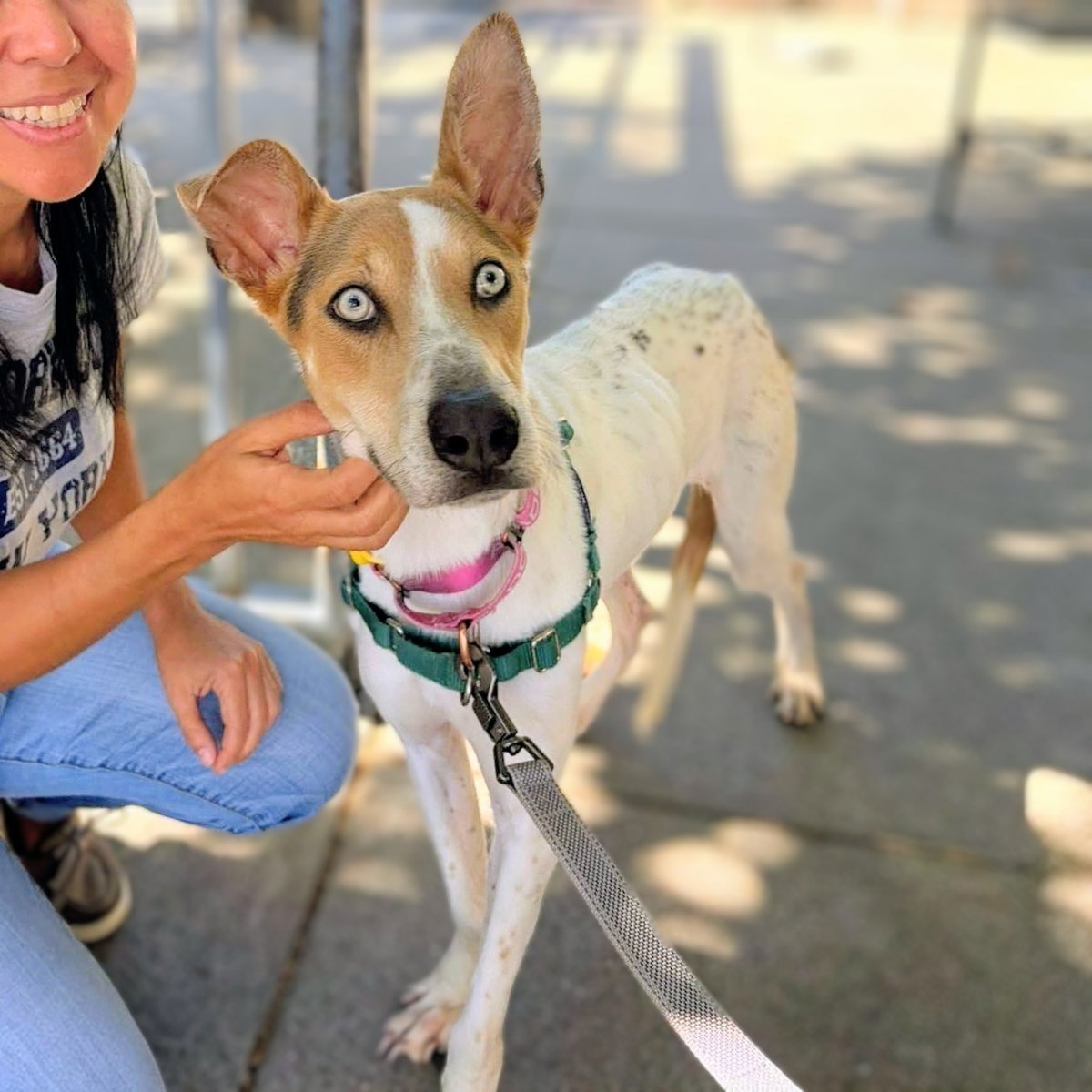
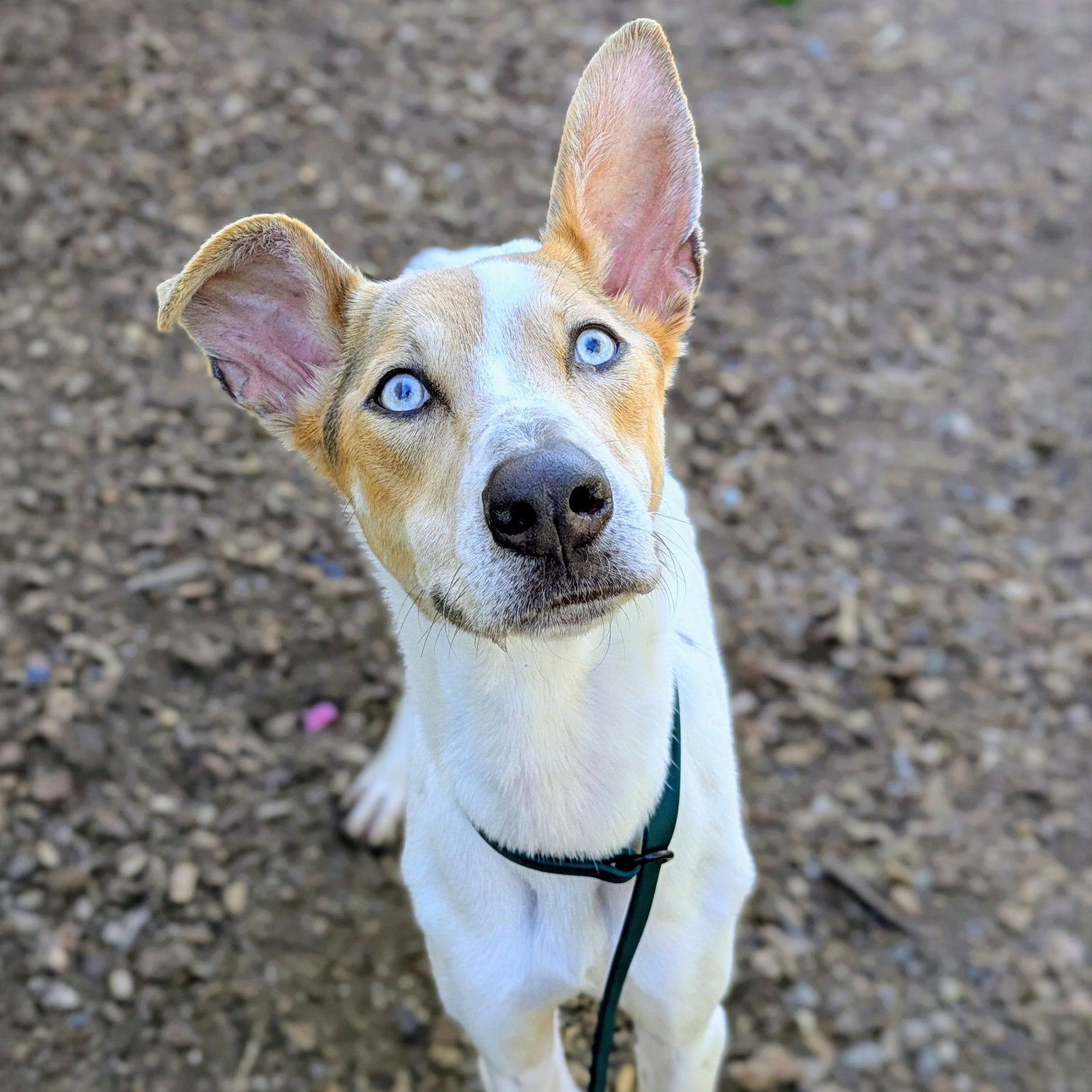
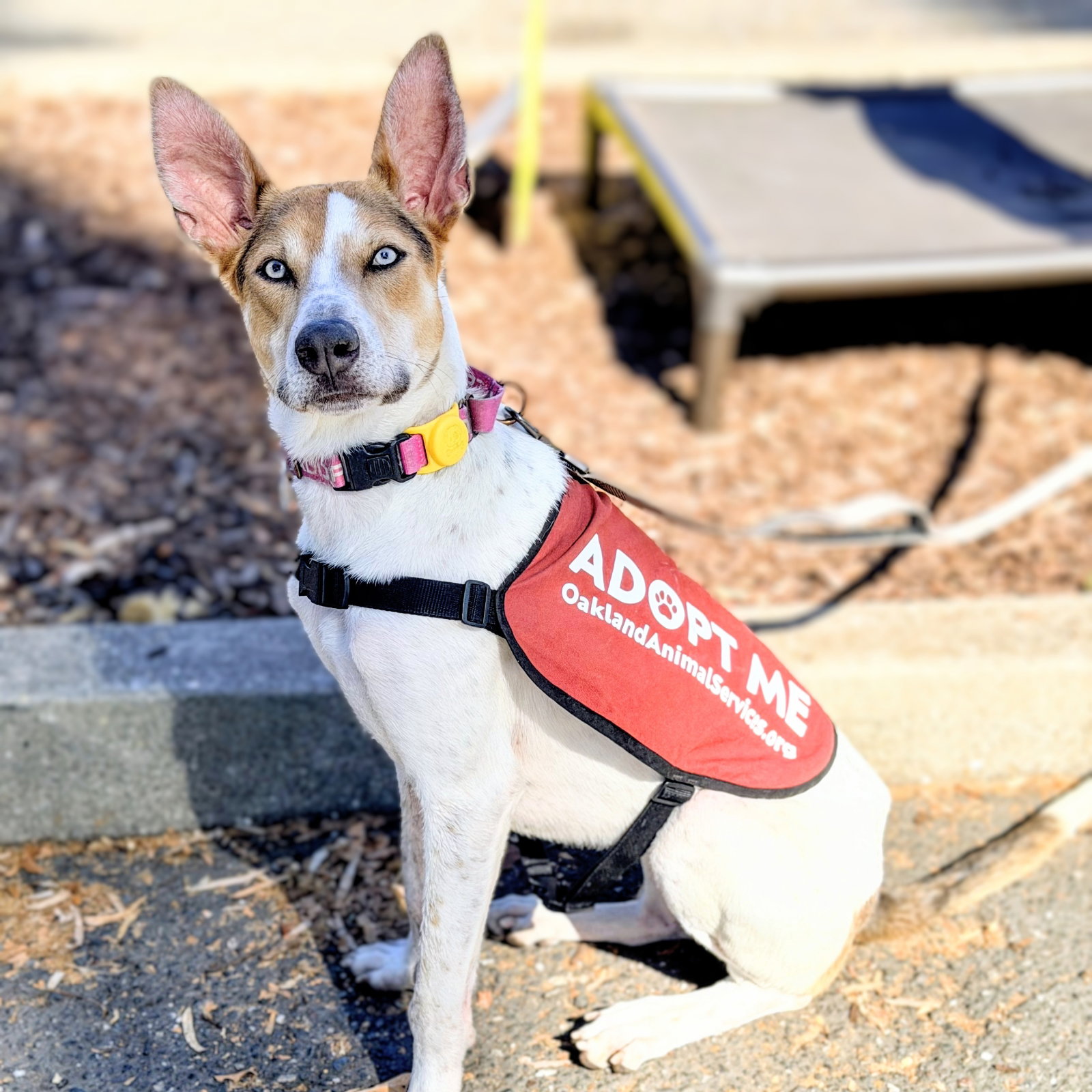
Orchid is a 1.5-year-old, 45-pound German Shepherd mix who is an incredibly smart girl with a playful spirit and a sweet side. She’s been thriving in foster with adults, teenagers, and resident dogs.
- Smart & Well-Trained: Orchid has excellent name recall and knows several cues. She’s potty trained, crate trained, and can be left crated for almost 6 hours. She may jump or give small excited nips playfully for attention but responds well to “crate” to walk away or lie down.
- Playful & Fun: She loves her toys, running and zoomie. She gets along well with the resident dogs.
- Sweet & Building Confidence: Orchid can be initially hesitant with new people but slow introductions help her warm up and become affectionate.
- Learning Good House Manners: Orchid is still working on leash skills and calm greeting as she can also be vocal when unfamiliar people arrive.
Orchid would do best with appropriately matched dogs or as a solo dog with well-matched canine friends. Click here to learn how to adopt and submit your adoption questionnaire.
Photos